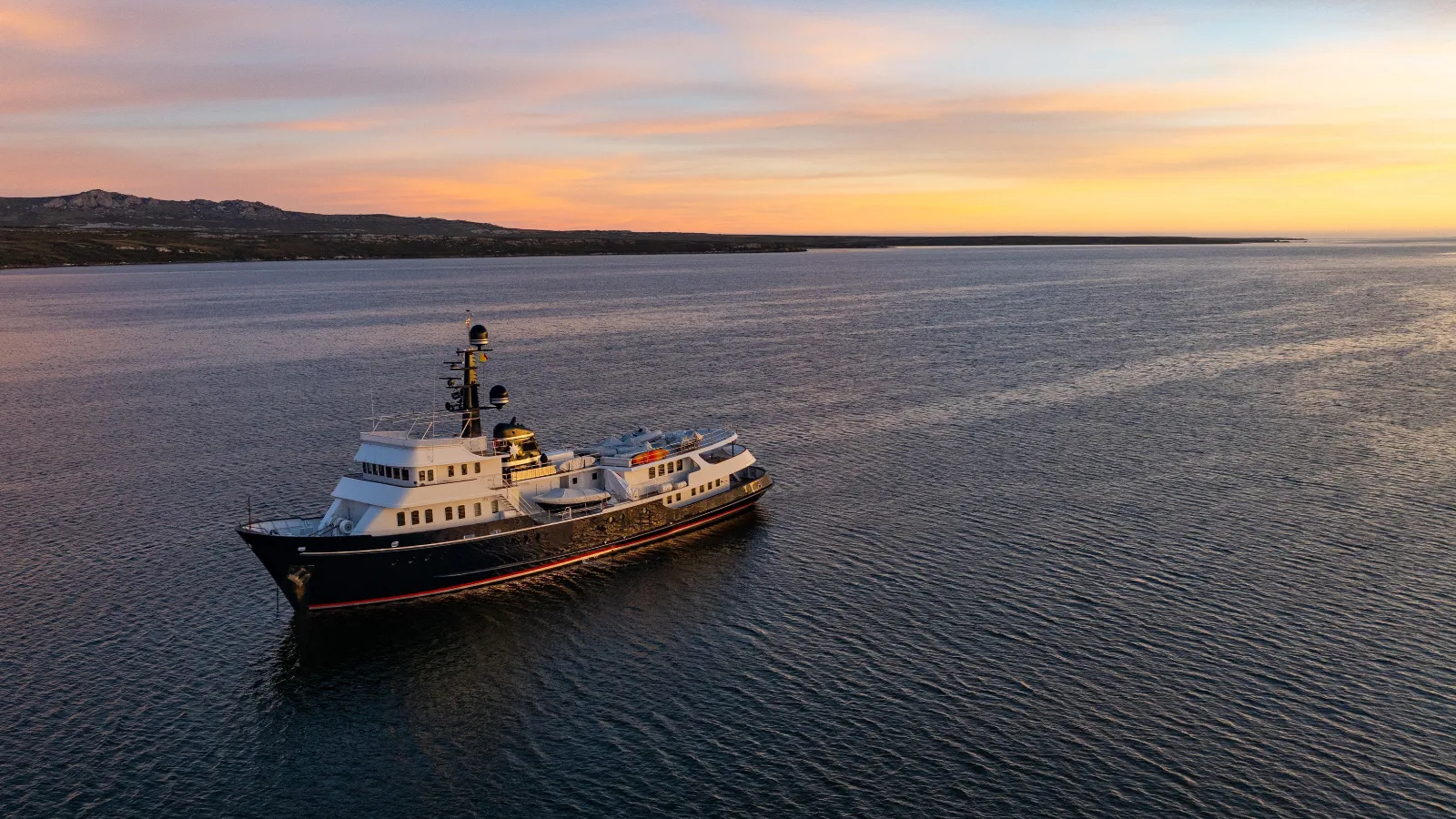
M/Y ASTERIA — Pole‑to‑Pole Explorer Yacht Expedition.
More than 24,000 nautical miles.
From Greece to Svalbard at 81°30′ North, across the Atlantic via South Georgia to the Antarctic Peninsula at 65° South, then north to Cape Town. This is the captain’s log of the route, operational decisions and moments that shaped more than a year underway. Adapted from my expedition log, A Captain’s Odyssey.
The Route
Greece to Svalbard, Antarctica and Cape Town
Follow the globe through each passage, landing and operational turning point.
37°56′N · 23°38′EPosition · LiveDrag the globe to look around
01 · Piraeus, Greece
It begins in Greece
Ashore during refit
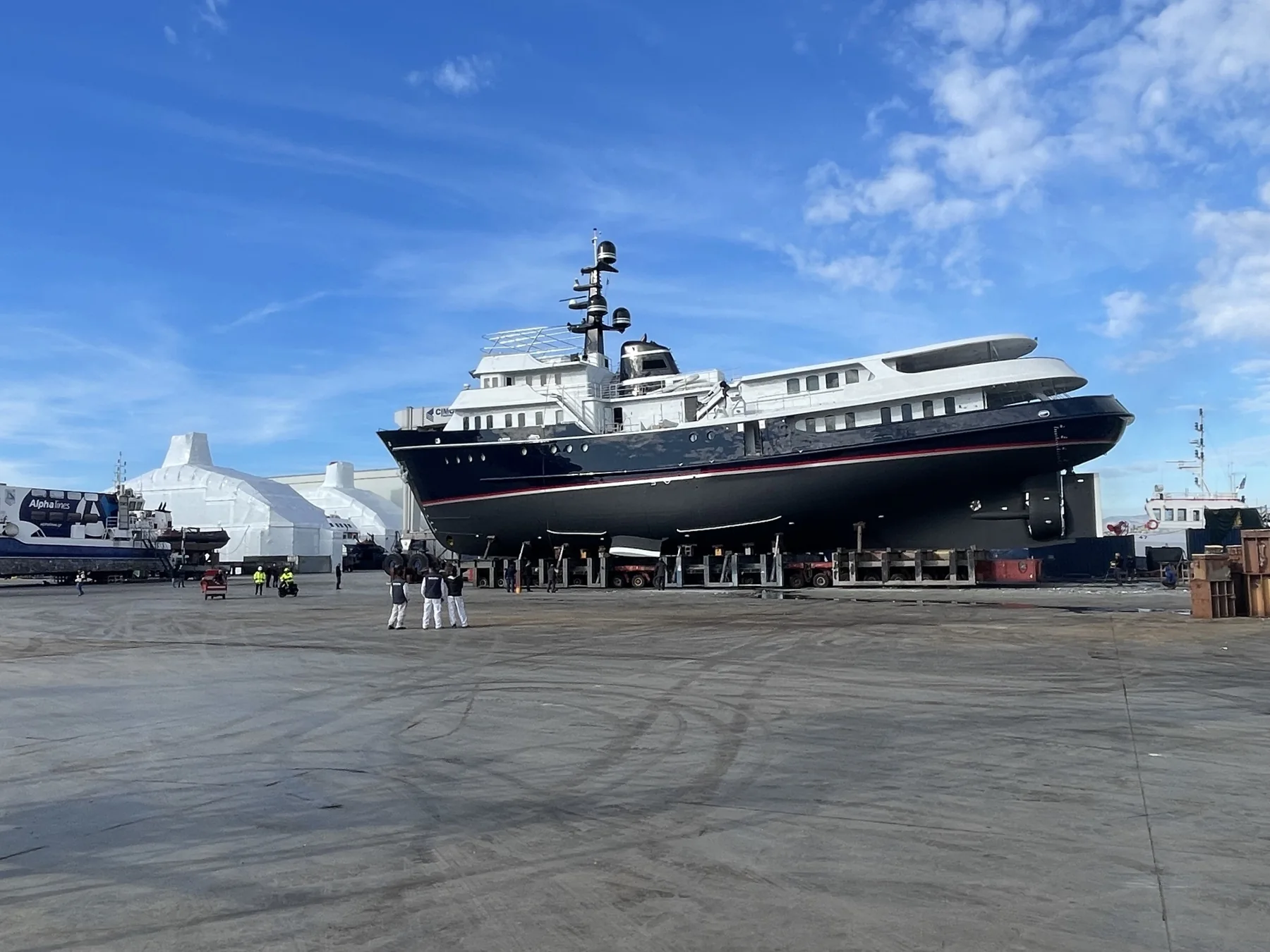
After seven months managing the refit directly, from beginning to end, I took the 49-metre converted salvage tug out of Piraeus and set a westerly course. Gibraltar came first, then Biscay and the long swell of the North Atlantic. Greece dropped astern; at last, the yard period had become a voyage, with both ends of the earth still beyond the horizon.
02 · Stavanger → Bergen, Norway
First landfall in the north
Stavanger → Bergen, Norway
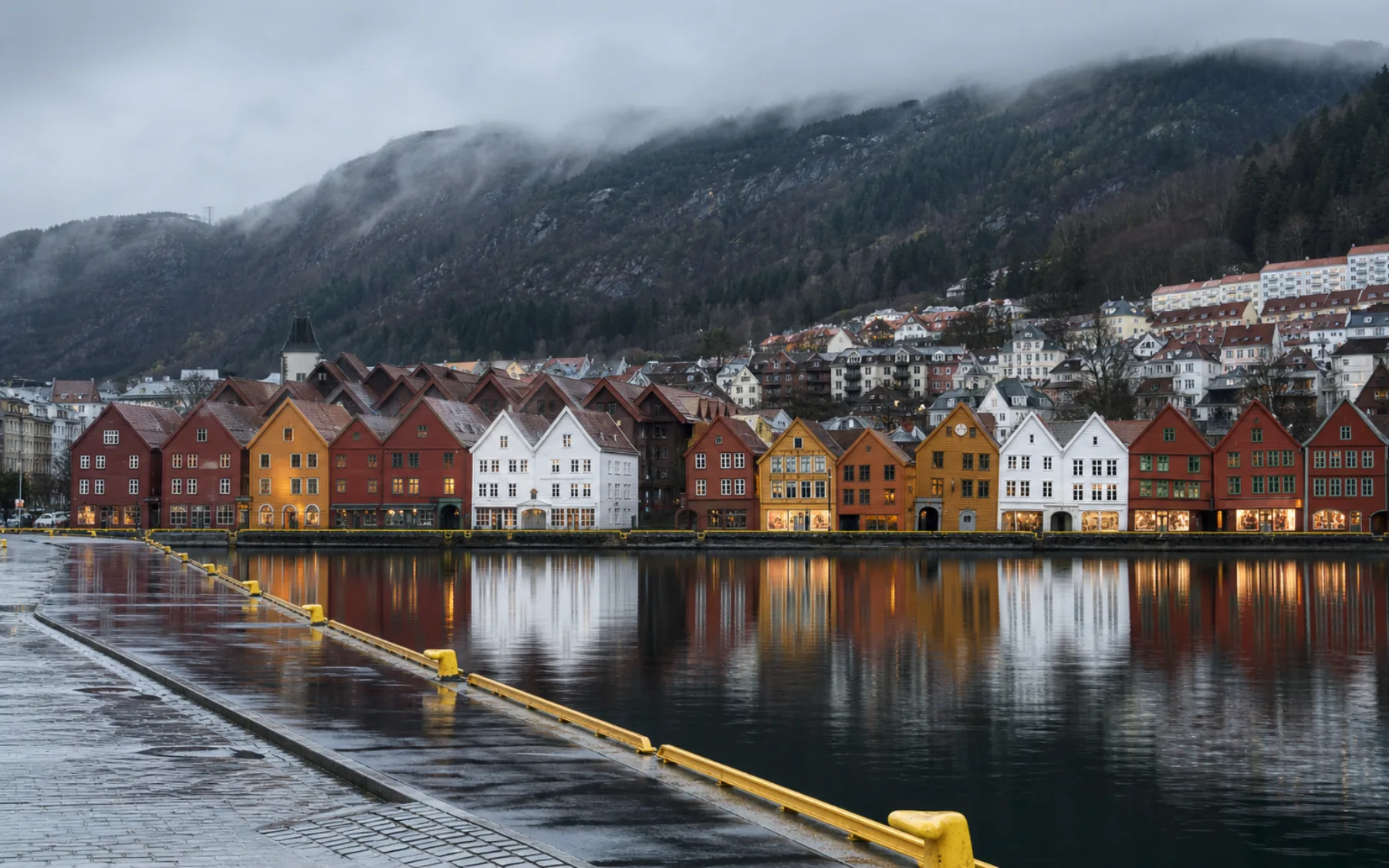
We made Stavanger first, then followed the Norwegian coast to Bergen. For once, I could relax, which happens less often than people imagine. We climbed the hill, sat through a long lunch while goats wandered loose nearby, and came back down for a glass of wine with the crew. It was a brief exhale before the route drew us farther north.
03 · Lofoten Archipelago
Cruising the Lofoten walls
Lofoten Archipelago
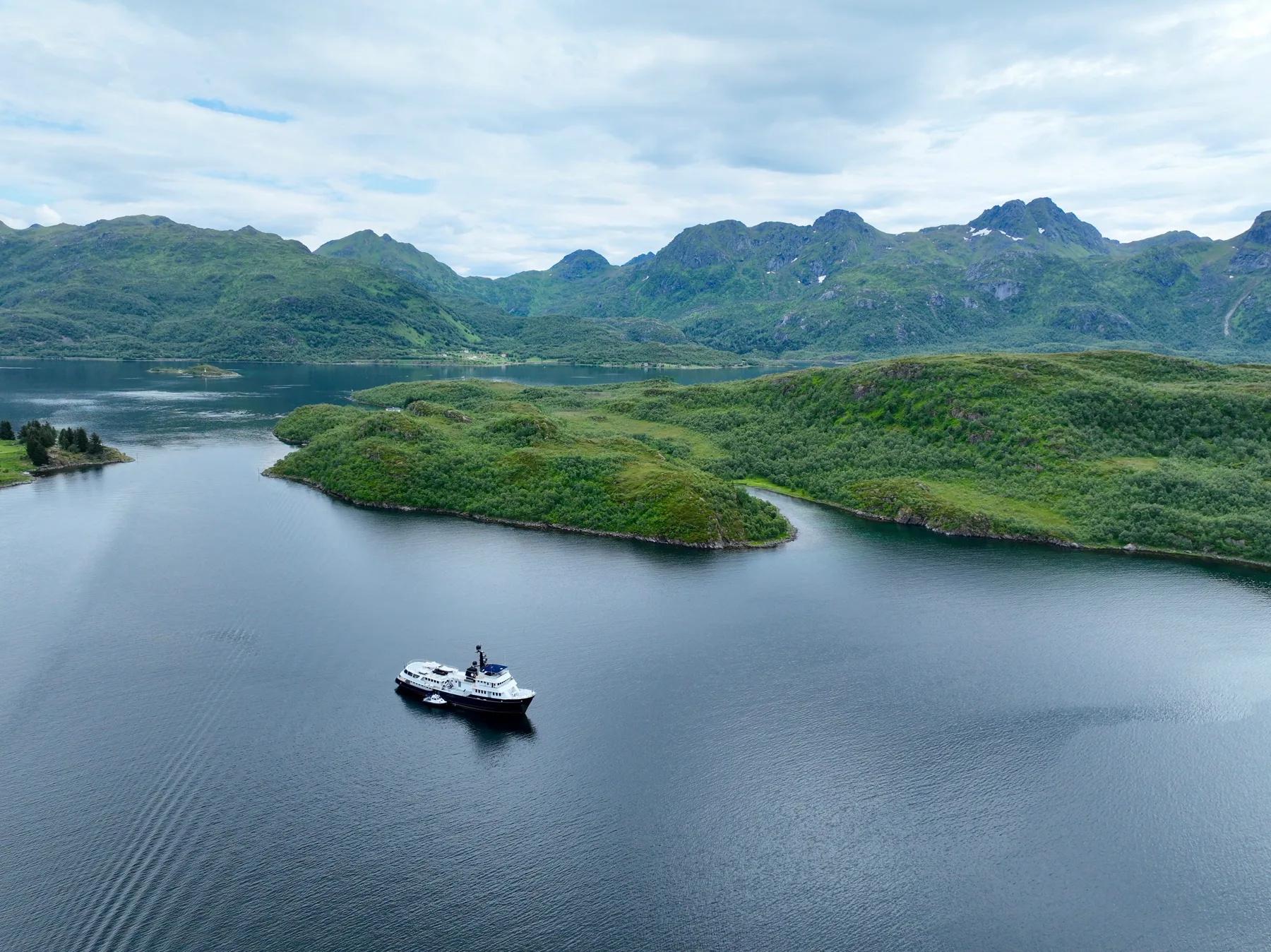
Under the midnight sun, we cruised between Lofoten’s green mountain walls, moving from one empty anchorage to the next. Waterfalls traced the cliffs astern while the owner’s family settled into life aboard and the crew found the pace of the season. In that unbroken northern light, the voyage stopped feeling like a departure and began to find its rhythm.
04 · Tromsø → Longyearbyen
Gateway to the high Arctic
Tromsø — gateway to the high Arctic
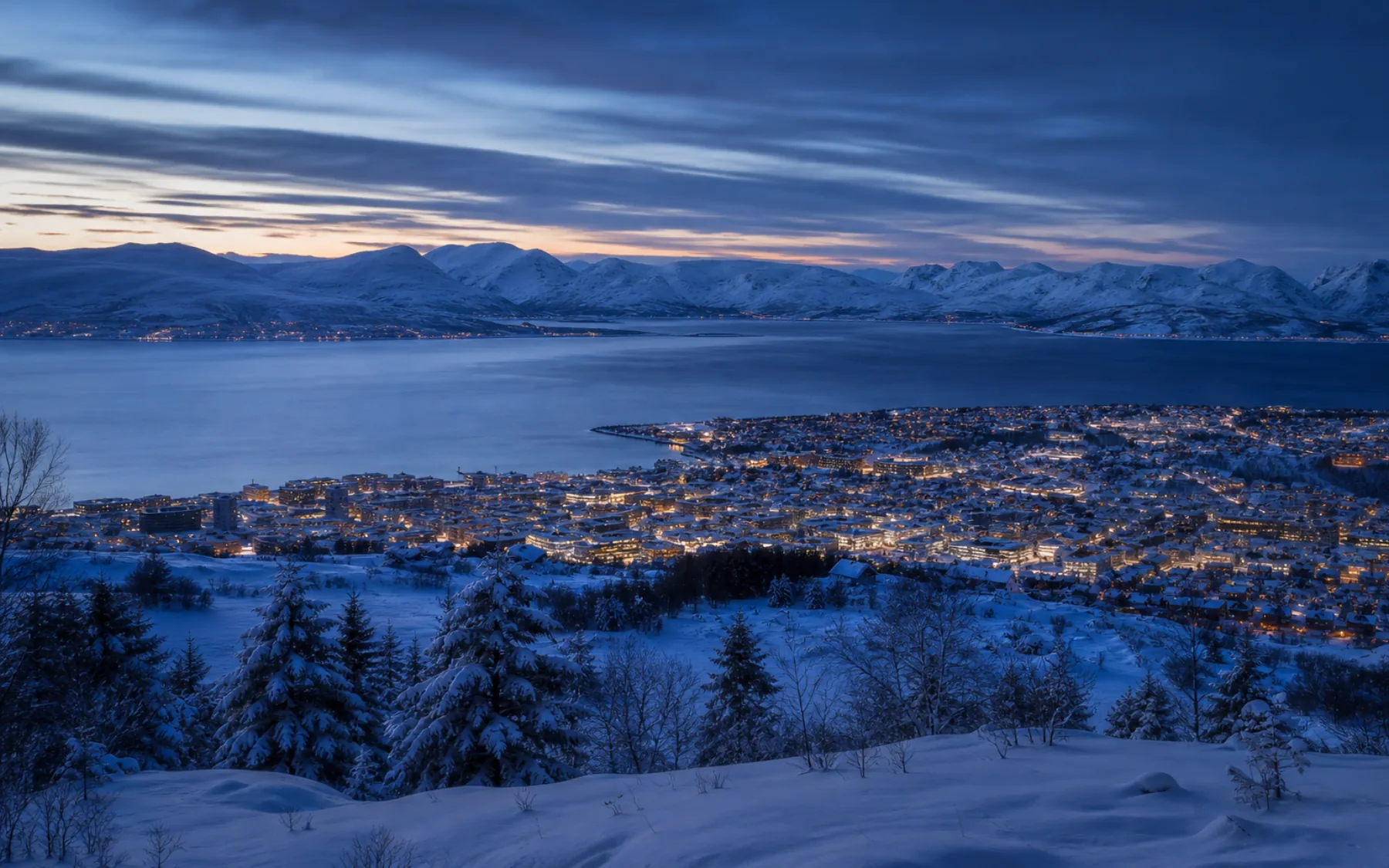
From Tromsø, we crossed the Barents Sea to Longyearbyen, the last town before the ice. In port, the character of the voyage changed: rifles and permits were checked, ice charts came forward, and the crew tuned itself for work near the pack. When we left the town astern, the cruising season had become an expedition.
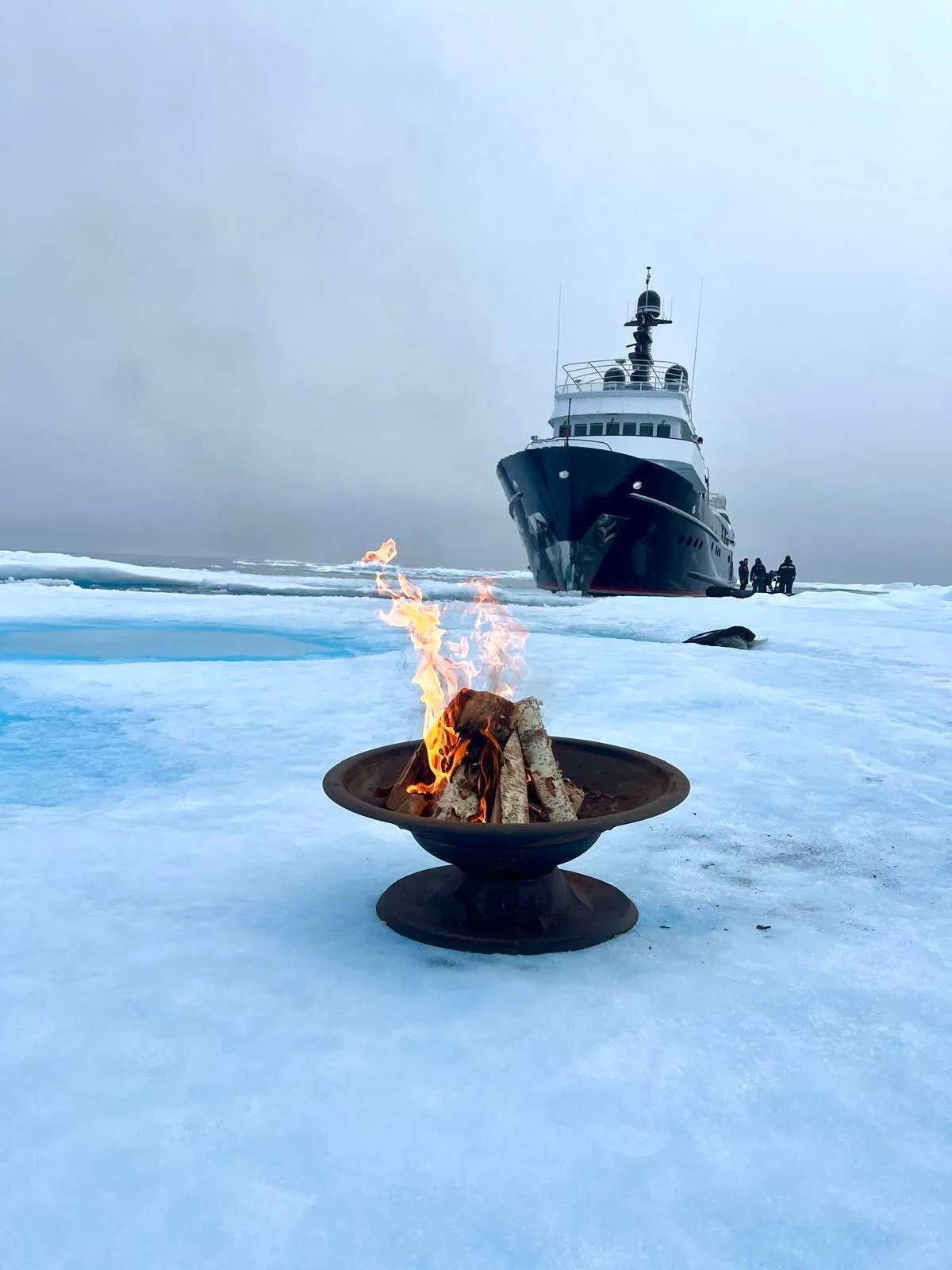
We took the yacht all the way around Svalbard by the northern route, including remote Kvitøya. We worked through shifting ice and dense fog until we reached 81°30′ North. On the polar pack itself, we set a barbecue between ice and fire, with the ocean only metres away and a rifle on watch. It was the crown of the season—and a reminder that every celebration there depended on discipline.
06 · Bergen → London
South, and a call on the Thames
Bergen → London
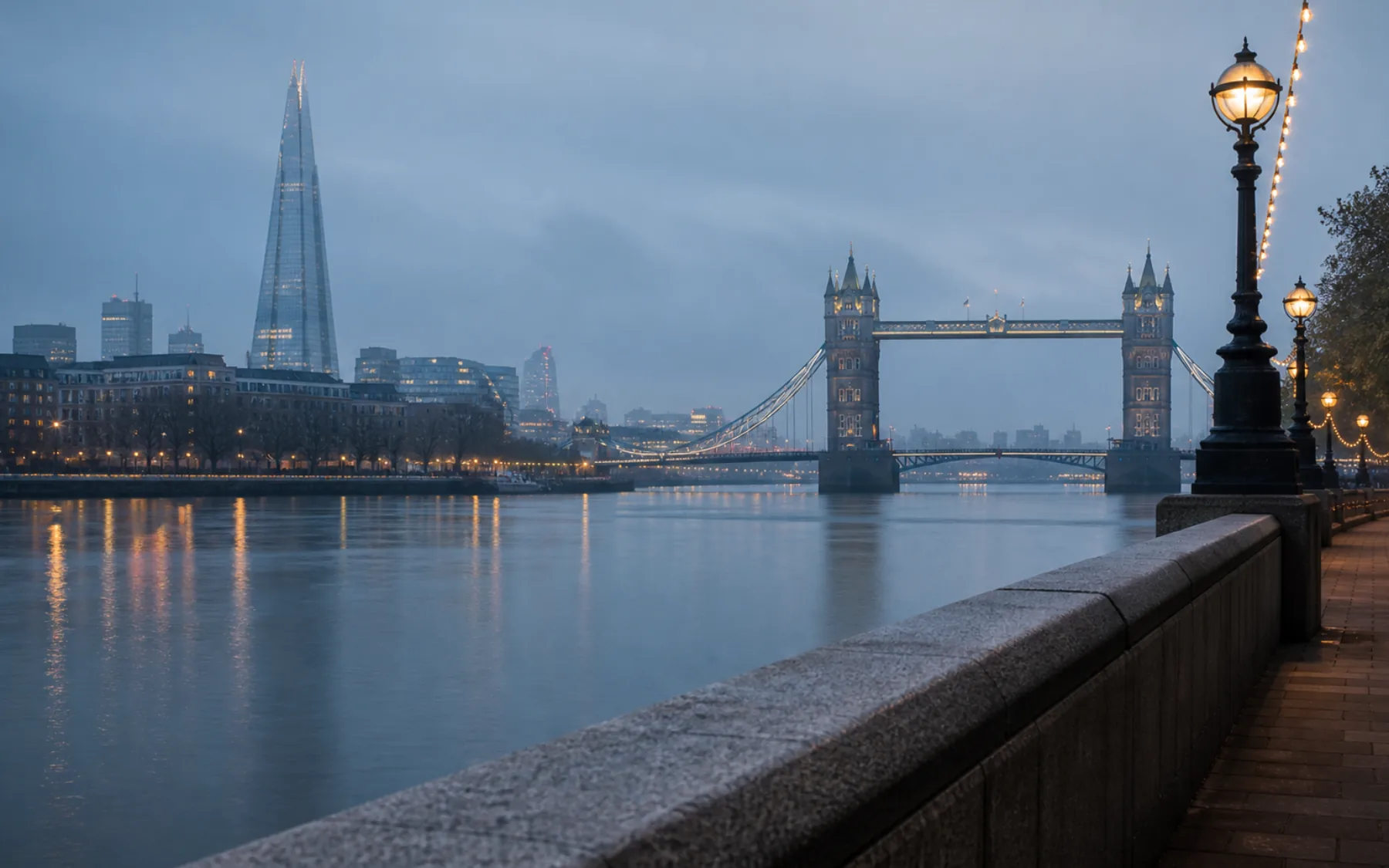
We came back down the Norwegian coast to Bergen, then turned across the North Sea for London. The miles south felt like a hinge in the voyage: Norway and the high latitudes were closing behind us while the ocean crossing waited ahead. London became the old world’s farewell before we committed west.
07 · The North Atlantic → New York
Across the pond
New York landfall after 2,800 nautical miles westbound
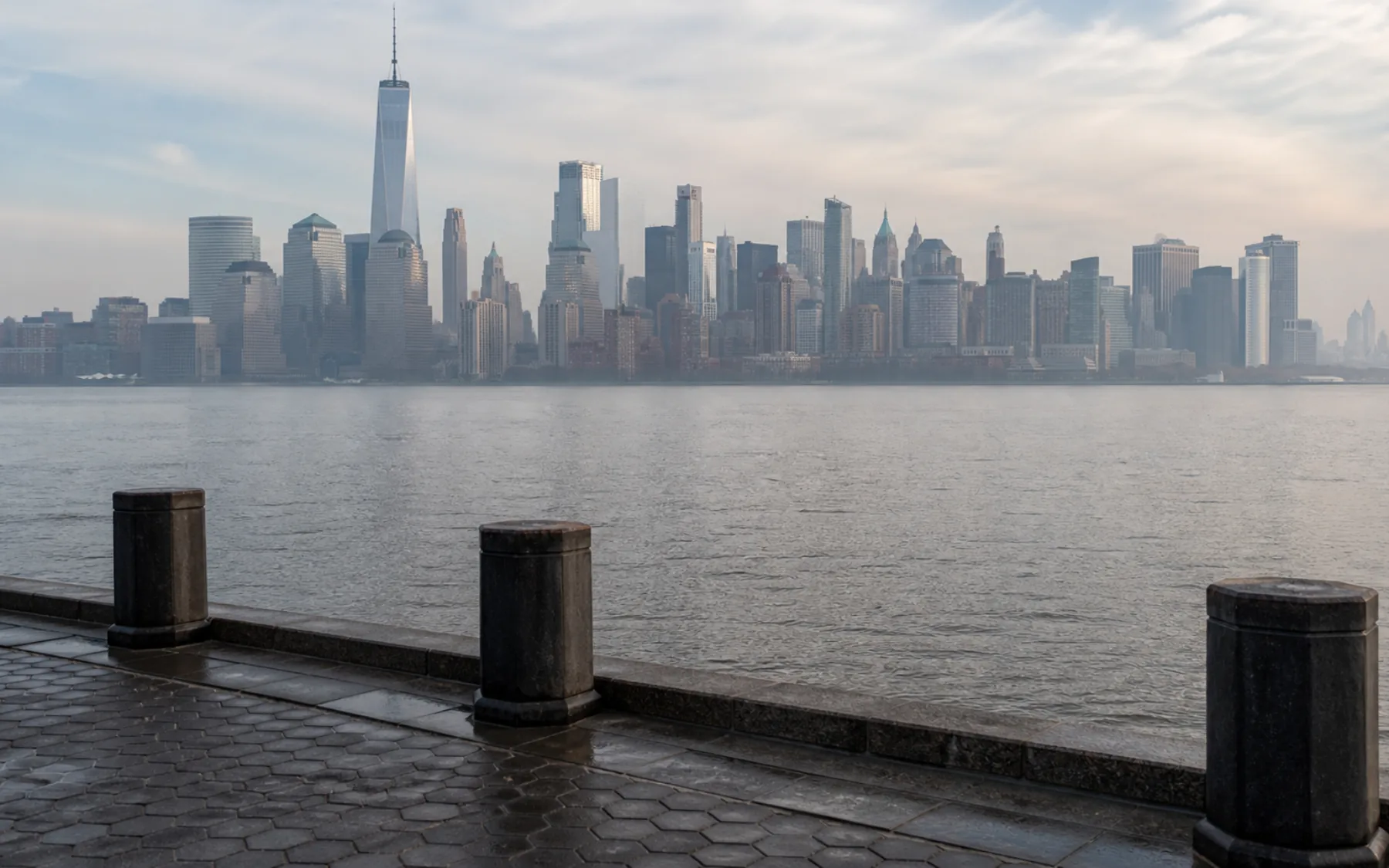
We held the yacht westbound across 2,800 miles of grey North Atlantic, the horizon repeating itself day after day. Then New York rose from the haze, just as it has for generations of ships arriving from the east. After so much open water, that first outline felt less like a skyline than a landfall earned.
08 · Boston, New England
New England interlude
A brief New England call before turning south
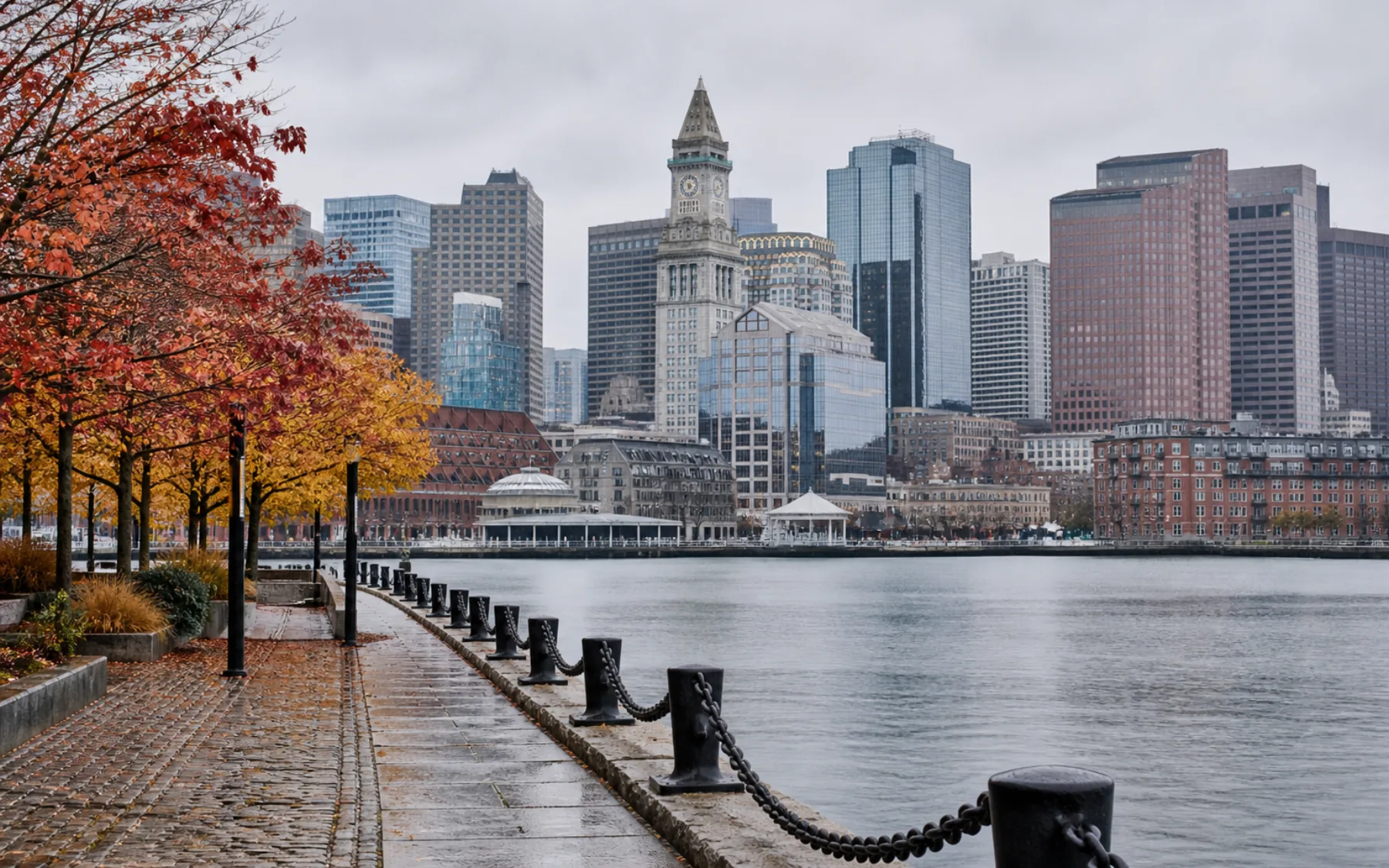
From New York, we turned north for Boston, a brief New England call in the autumn. The route was already bending south, so the stop carried the feeling of a threshold: one last stretch of cold water before the trades. We paused, then prepared to leave the northern season behind.
09 · Guadeloupe, Caribbean
Into the tropics
Guadeloupe, Caribbean
Guadeloupe was our last call inside the French and EU emergency-response network before we continued south. A crewmember remained persistently seasick despite little vessel motion, so I called MRCC Fort-de-France and coordinated a medical evacuation. Their response was outstanding: the crewmember was ashore within six hours. I arranged the repatriation; the next day we took on fresh stores and readied the yacht. We had reported the case promptly and kept the insurer and local authorities aligned throughout. The insurer later covered every cost in full.
10 · Rio Grande, Southern Brazil
The oil cooler that tried to stop us
Rio Grande, Southern Brazil
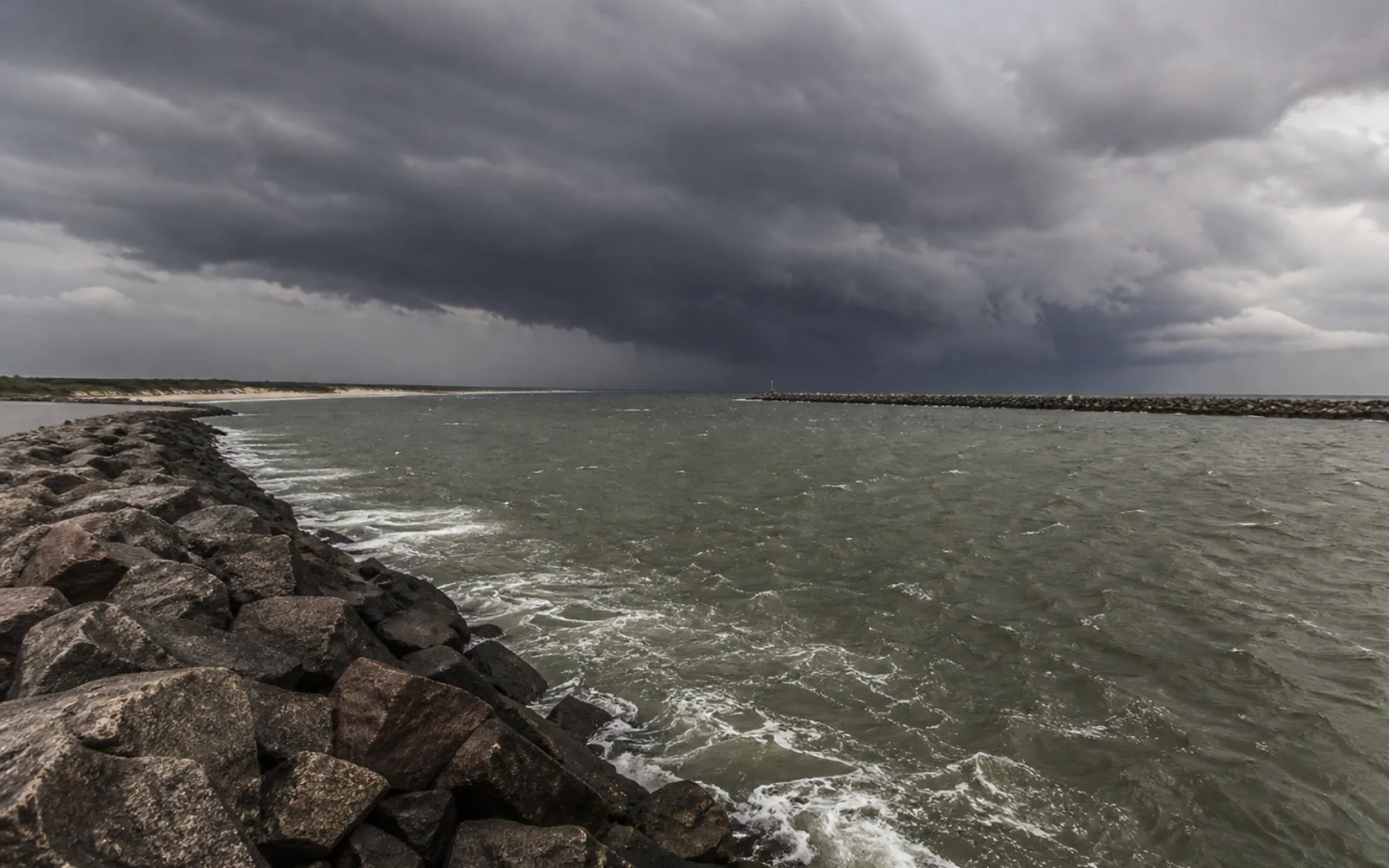
Underway along the South American coast, a new oil cooler failed on a recently overhauled generator as a weather front moved north. The chart became a decision rather than a route. I built the repair plan at sea and chose Rio Grande, the nearest suitable Brazilian port on our way to Stanley. By arrival, parts, technicians and a berth were ready. The repair cost us no day; the manufacturer later covered it in full under warranty. What might have stopped the voyage became another problem solved before it could grow.
11 · Stanley, Falkland Islands
Christmas in Stanley
Stanley, Falkland IslandsSource: A Captain’s Odyssey
We reached Stanley during the Christmas season, with the Atlantic behind us and the Southern Ocean ahead. The port was more than another landfall: it was the staging post for everything the voyage had been building toward. Here the route narrowed—South Georgia first, then Antarctica. The yacht, the crew and the plans had all reached the threshold of the expedition’s defining waters.
12 · The Antarctic Convergence
Crossing the Convergence
The Antarctic ConvergenceSource: A Captain’s Odyssey
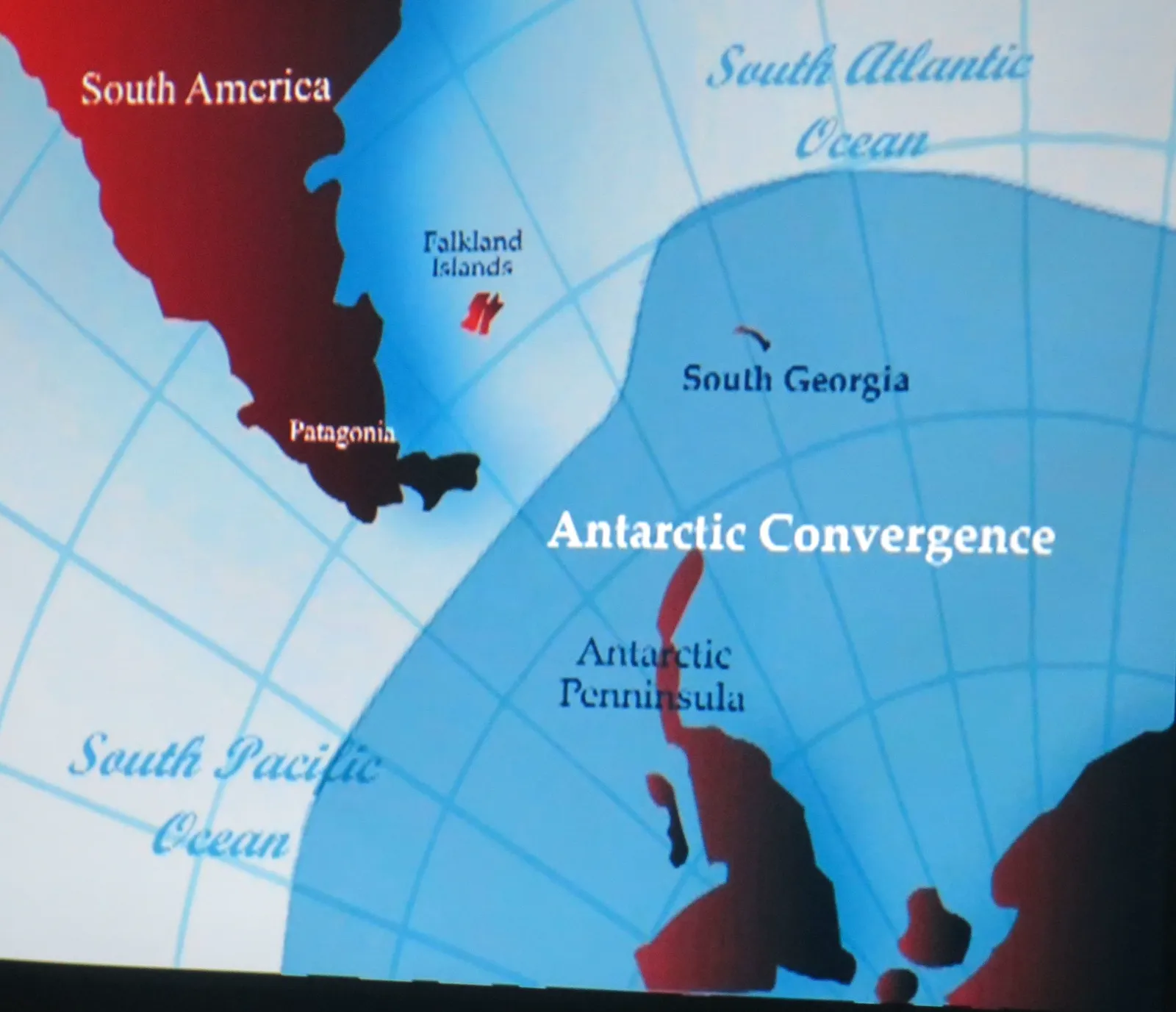
Rather than cross the Drake straight to the Peninsula, we turned first toward South Georgia; the later leg to Elephant Island would echo Shackleton’s route in reverse. As we entered the Antarctic Convergence, the sea temperature dropped sharply and glacial ice began to drift past the yacht. The change was physical, not merely a line on the chart. The Southern Ocean had announced itself.
13 · Grytviken, South Georgia
Shackleton's harbour
Grytviken, South GeorgiaSource: A Captain’s Odyssey
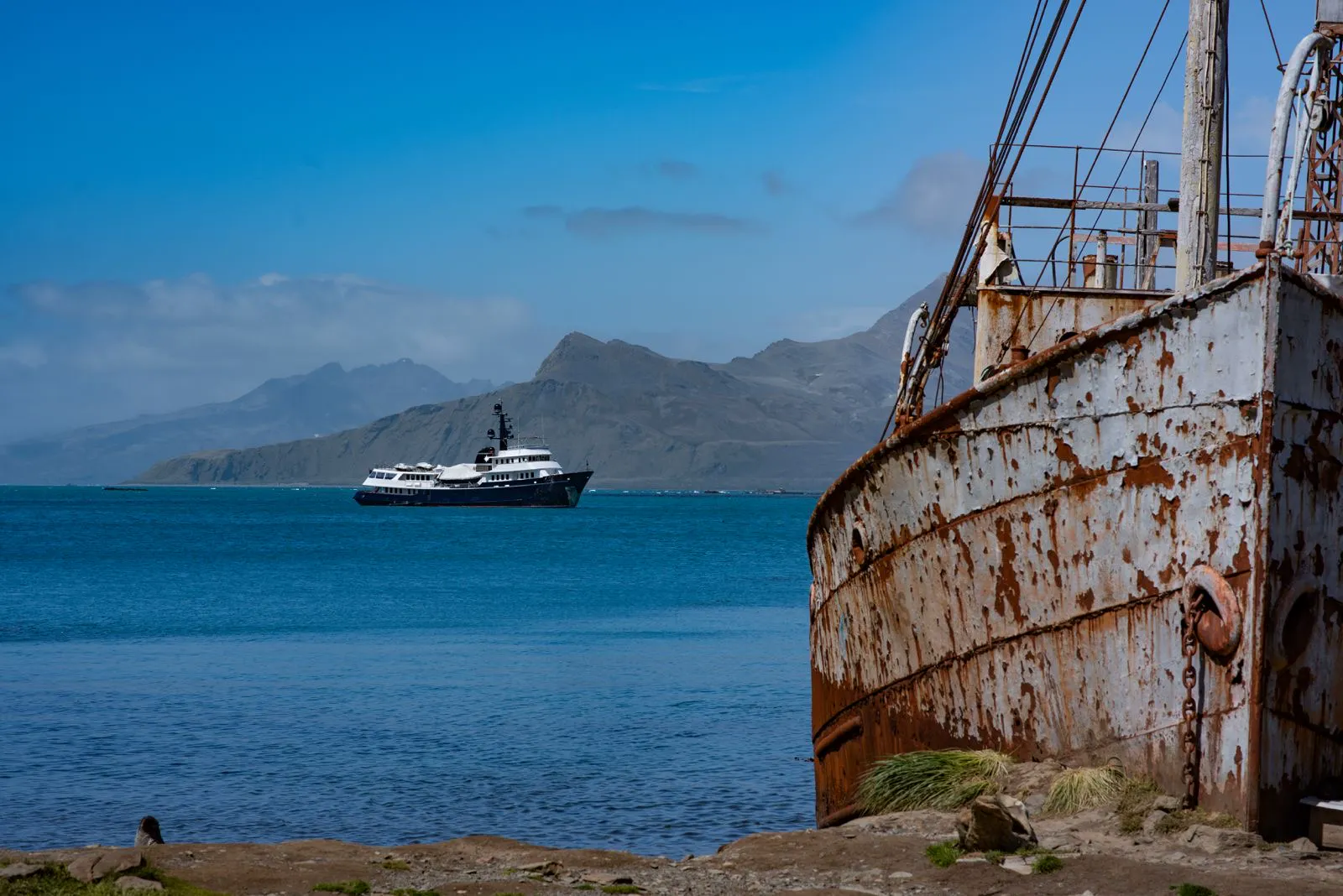
We made Grytviken our first call in South Georgia, easing into the former whaling harbour to complete the island’s strict entry and biosecurity protocols. Ashore, the old station surrounded us with the remains of another era. Then we came to Shackleton’s grave and raised a glass. The crossing that would echo his route in reverse still lay ahead of us; the gesture felt less ceremonial than personal.
14 · St. Andrews Bay, South Georgia
The Serengeti of the Southern Ocean
St. Andrews Bay, South GeorgiaPhoto: James Lowe · @james_kelptown
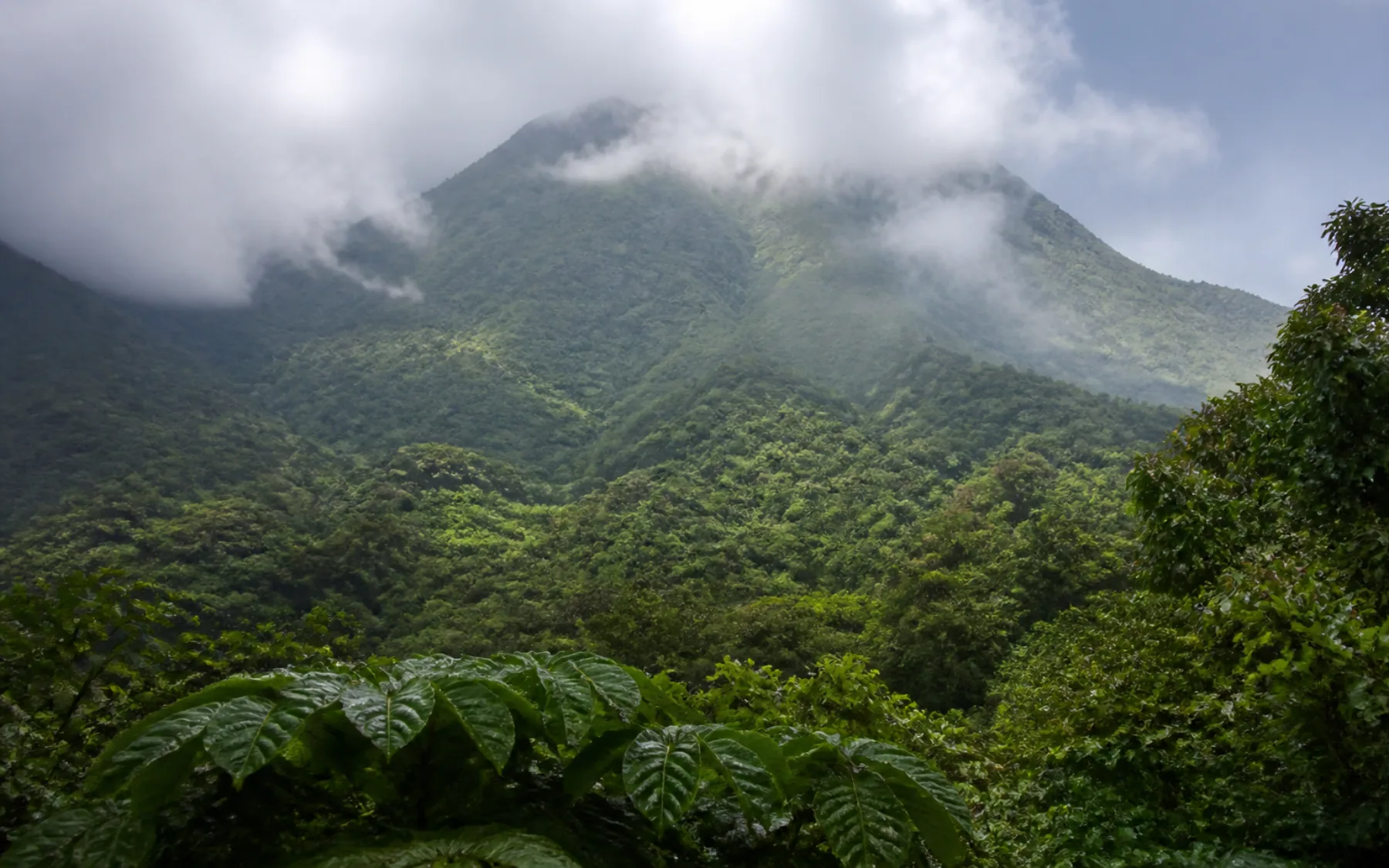
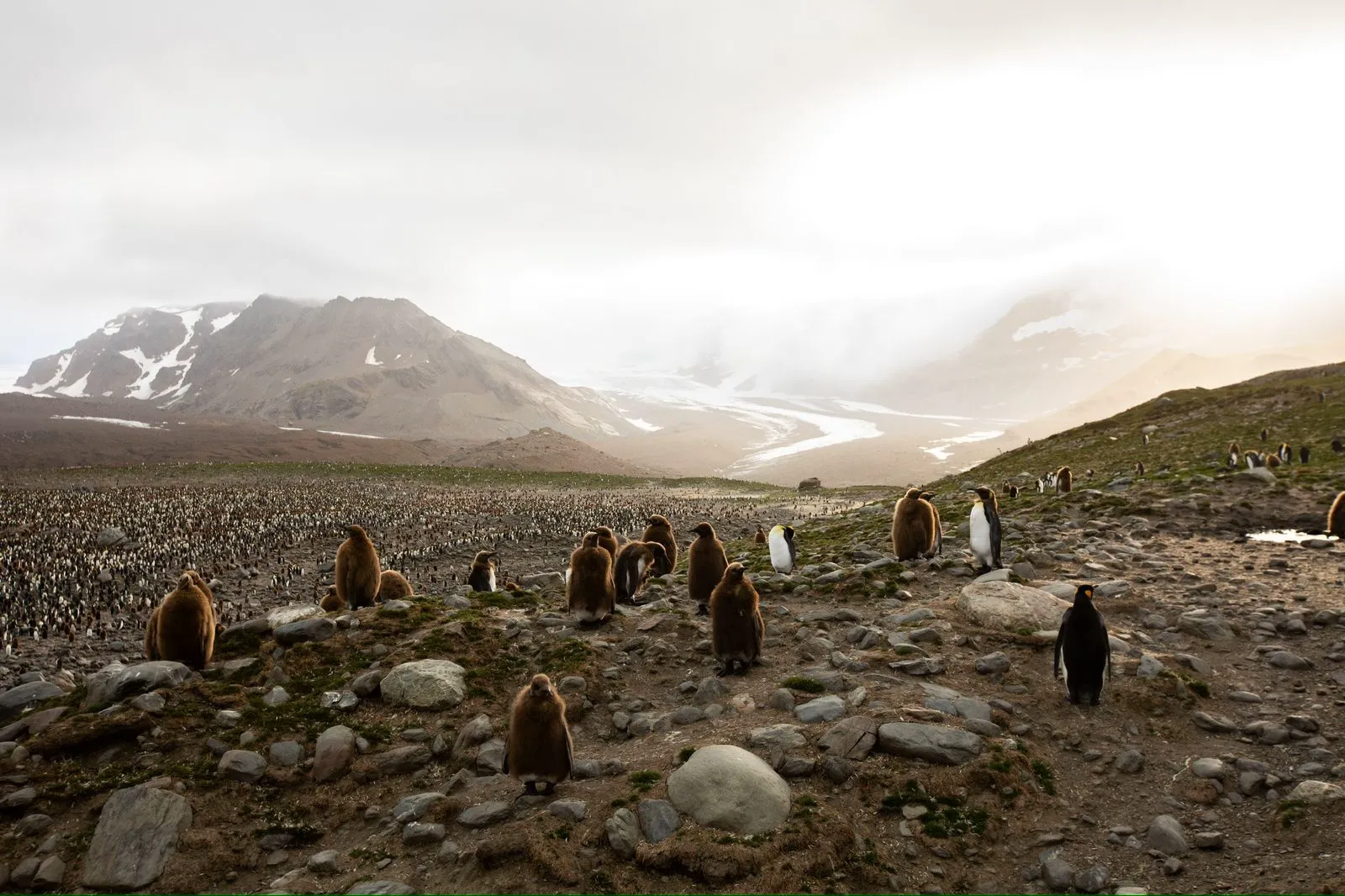
As we approached St. Andrews Bay, the beach seemed to move before we understood why. Massive colonies of king penguins stretched to the limits of sight, with macaroni penguins among them; fur seals and elephant seals held the shoreline. The living coast kept unfolding across the bay. The ‘Serengeti of the Southern Ocean’ stopped feeling like a nickname and became the only description that fit.
15 · Point Wild, Elephant Island
Elephant Island
Point Wild, Elephant Island
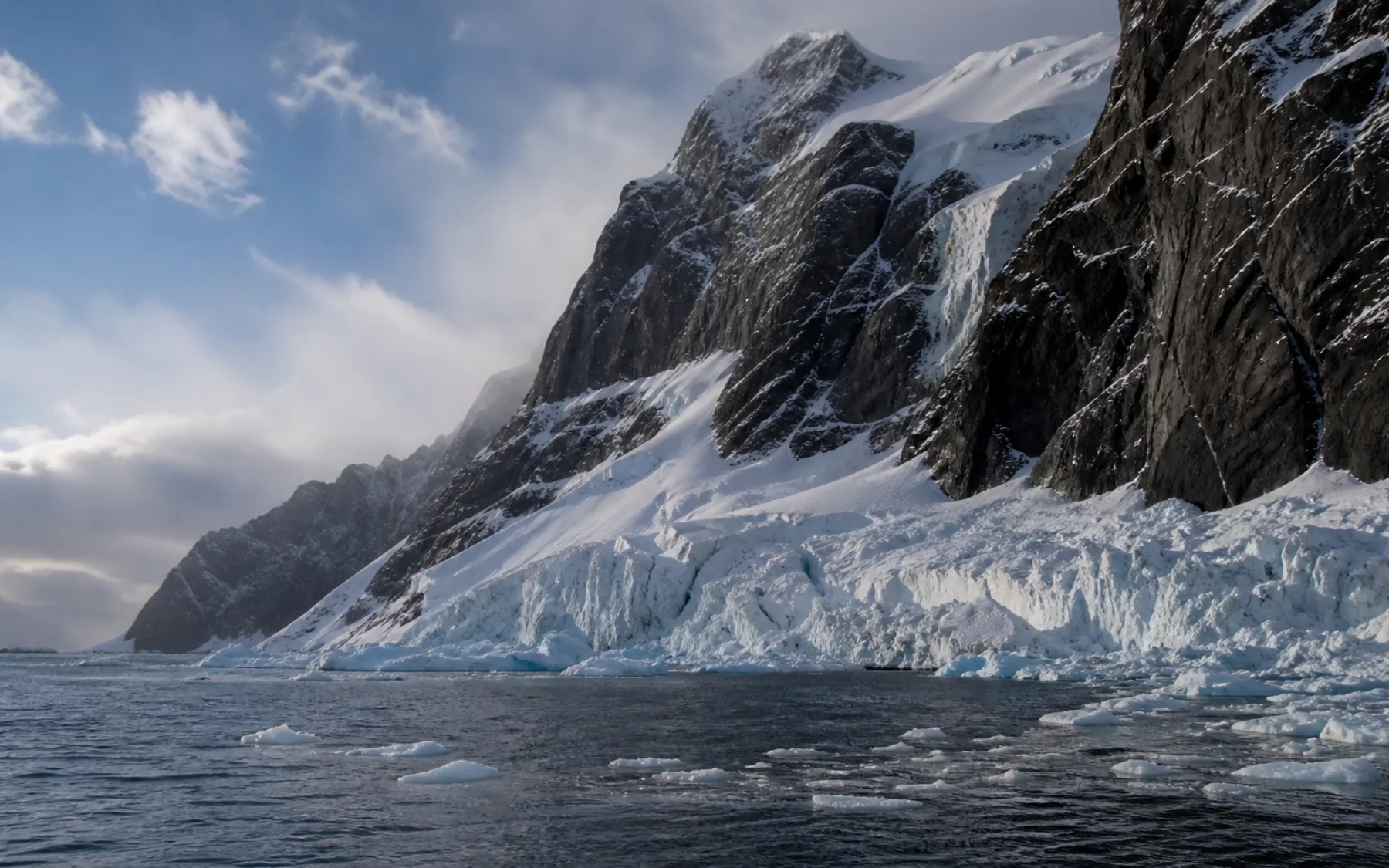
With a depression trailing southeast behind us, we made the crossing toward Elephant Island and Antarctica. At Point Wild, the glaciers were staggering: stark, immense and tied to Shackleton’s departure in an open lifeboat for South Georgia. We had just made that crossing in reverse with engines and radar. The difference between our passage and his became impossible to ignore.
16 · 65°S, Antarctic Peninsula
The Antarctic Peninsula
65°S, Antarctic Peninsula
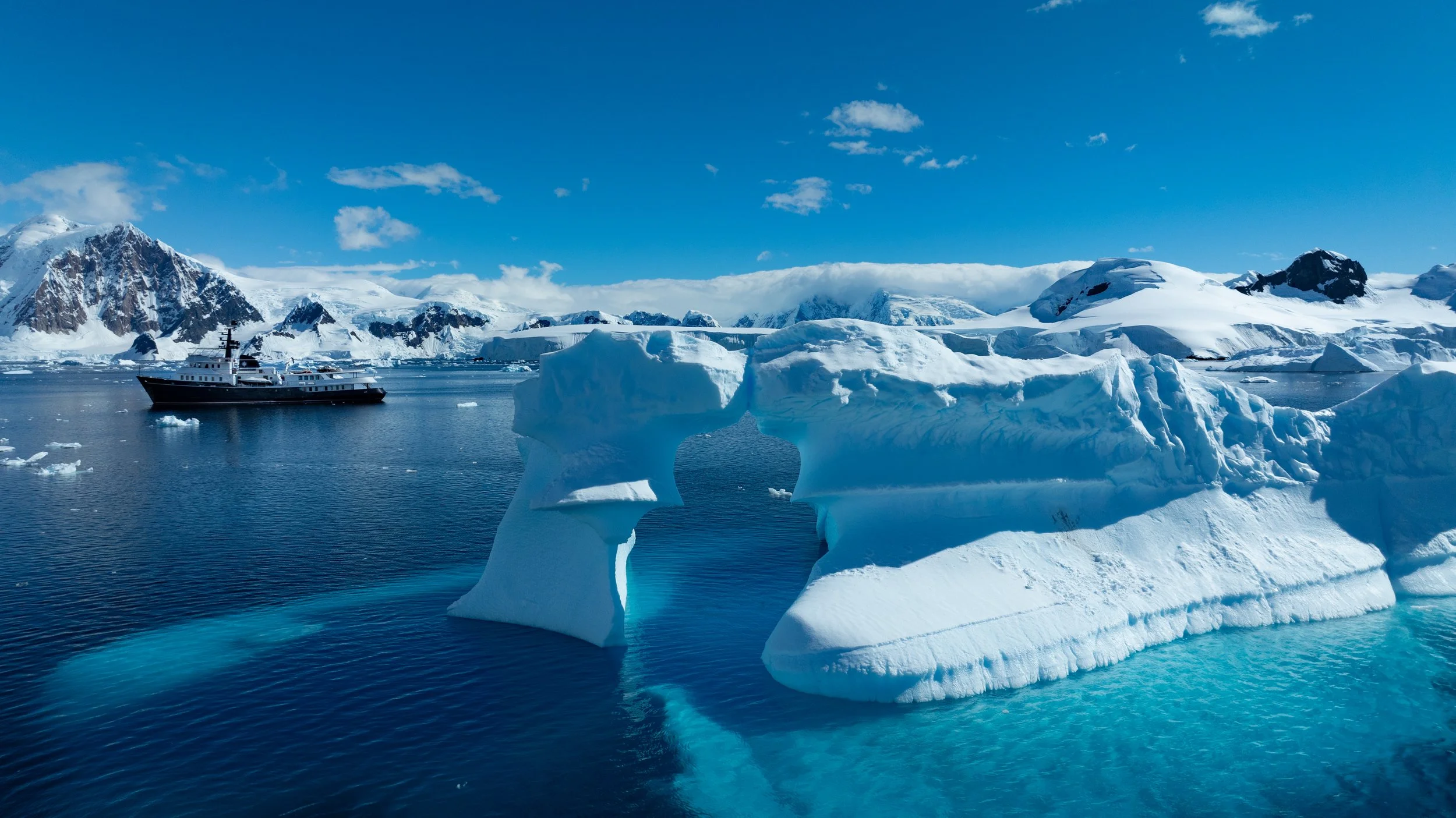
Antarctica did not arrive all at once. First the towering icebergs moved past the ship; then mountains emerged through layers of ice sheet, the white running toward horizons that seemed never to end. We watched it gather around us until we reached 65° South, the voyage’s farthest south. From there, the ice—not the latitude alone—set the scale of everything ahead.
17 · The fast ice
Breaking the ice
The fast ice
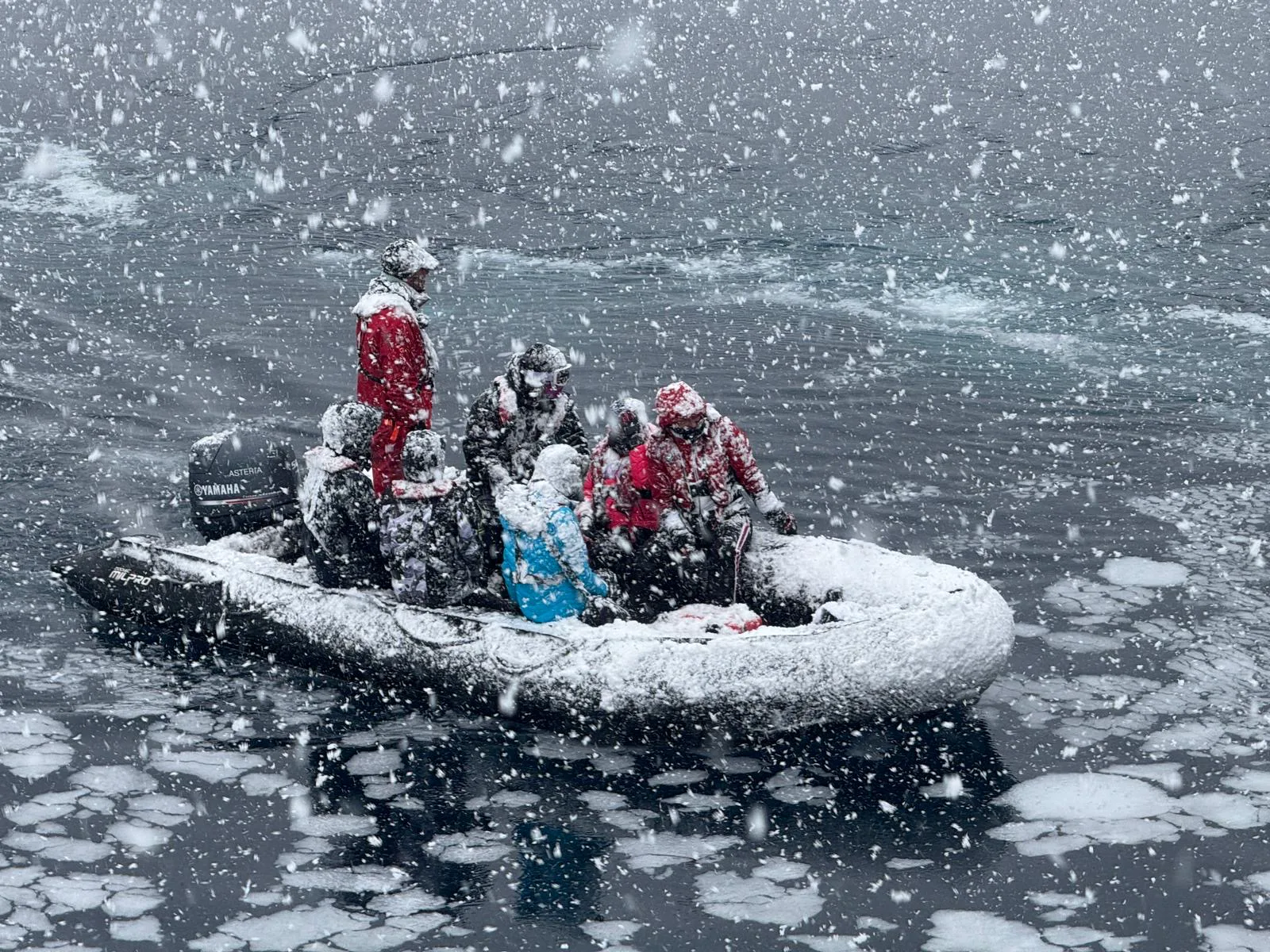
We spent hours searching for a sheet of sea ice we could judge suitable for landing. I held the yacht within a few lengths while the shore party prepared and two Zodiacs stood by. Only when every part of the plan aligned did we set foot on the ice. The celebration lasted a moment; the careful decisions that made it possible had taken hours.
18 · Deception Island
Inside an active caldera
Deception Island
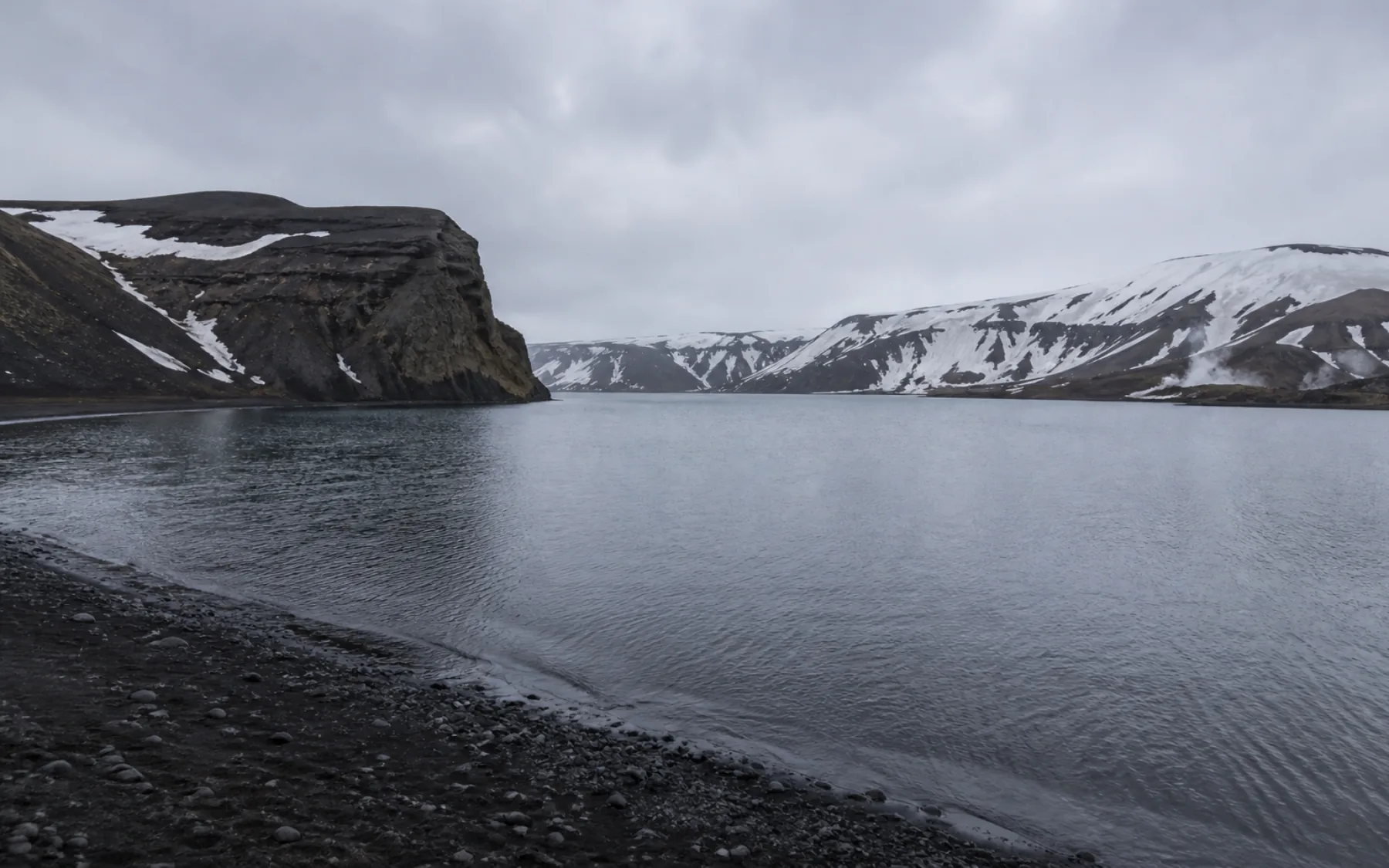
We lined up for Neptune’s Bellows and brought the yacht through the narrow entrance into Deception Island’s flooded volcanic caldera. Inside, black shoreline, snow and steam made the landscape feel unfinished. It was dramatic, but the decision-making stayed practical: any activity ashore remained subject to current volcanic, environmental and visitor guidance. In a place shaped by forces below our feet, restraint was part of the experience.
19 · King George Island
Farewell at King George
King George IslandSource: A Captain’s Odyssey
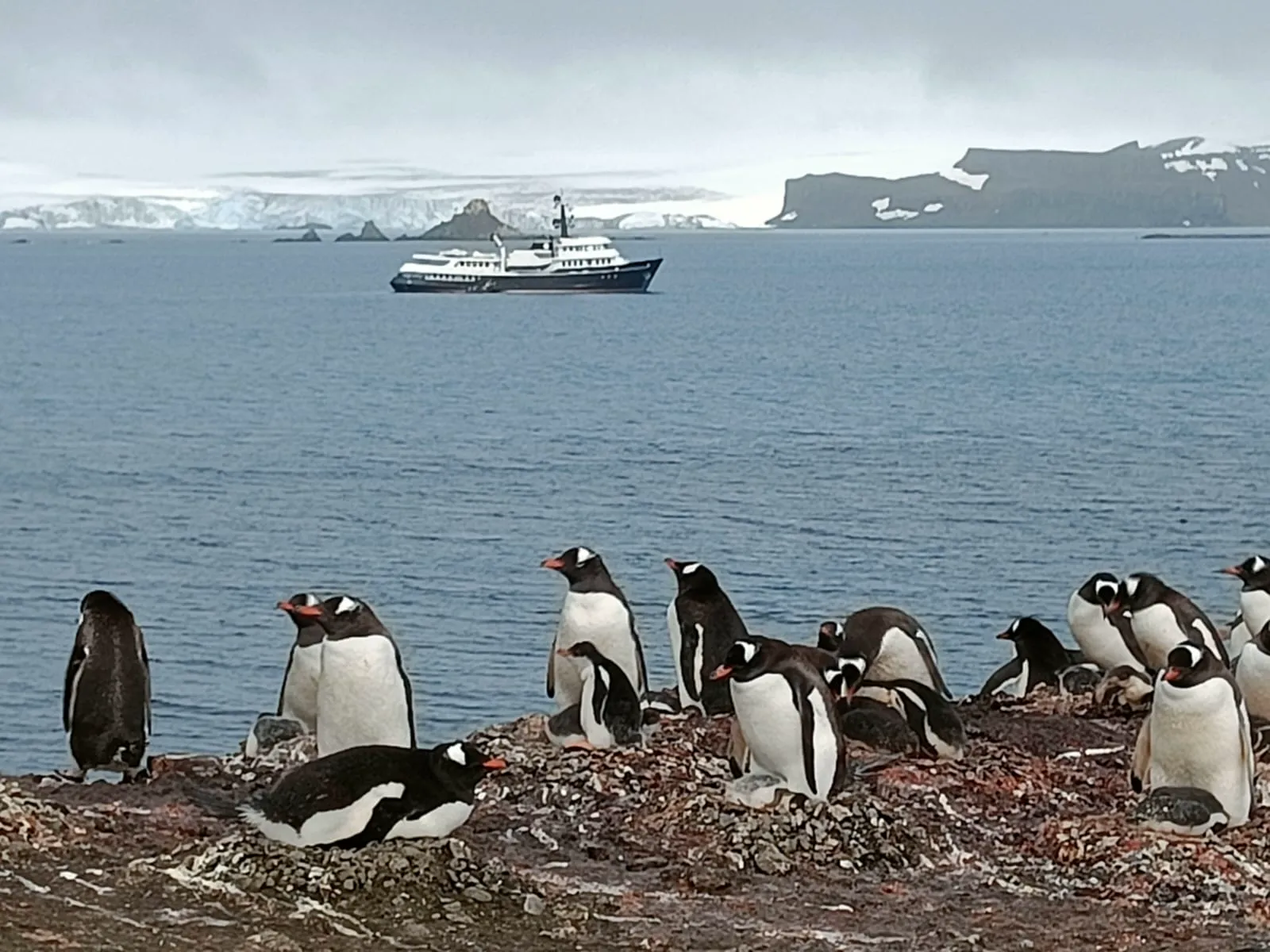
At King George Island, every movement depended on weather and operational limits. As one of the Peninsula region’s principal aviation gateways, nothing there was routine. This time, conditions held. We gave our guests our traditional send-off with a cold plunge, watched them begin their journey home and turned the yacht north. Ahead lay the Drake—infamous, unavoidable and our next passage.
20 · Northbound → Rio de Janeiro
Back across the Drake
Northbound → Rio de Janeiro
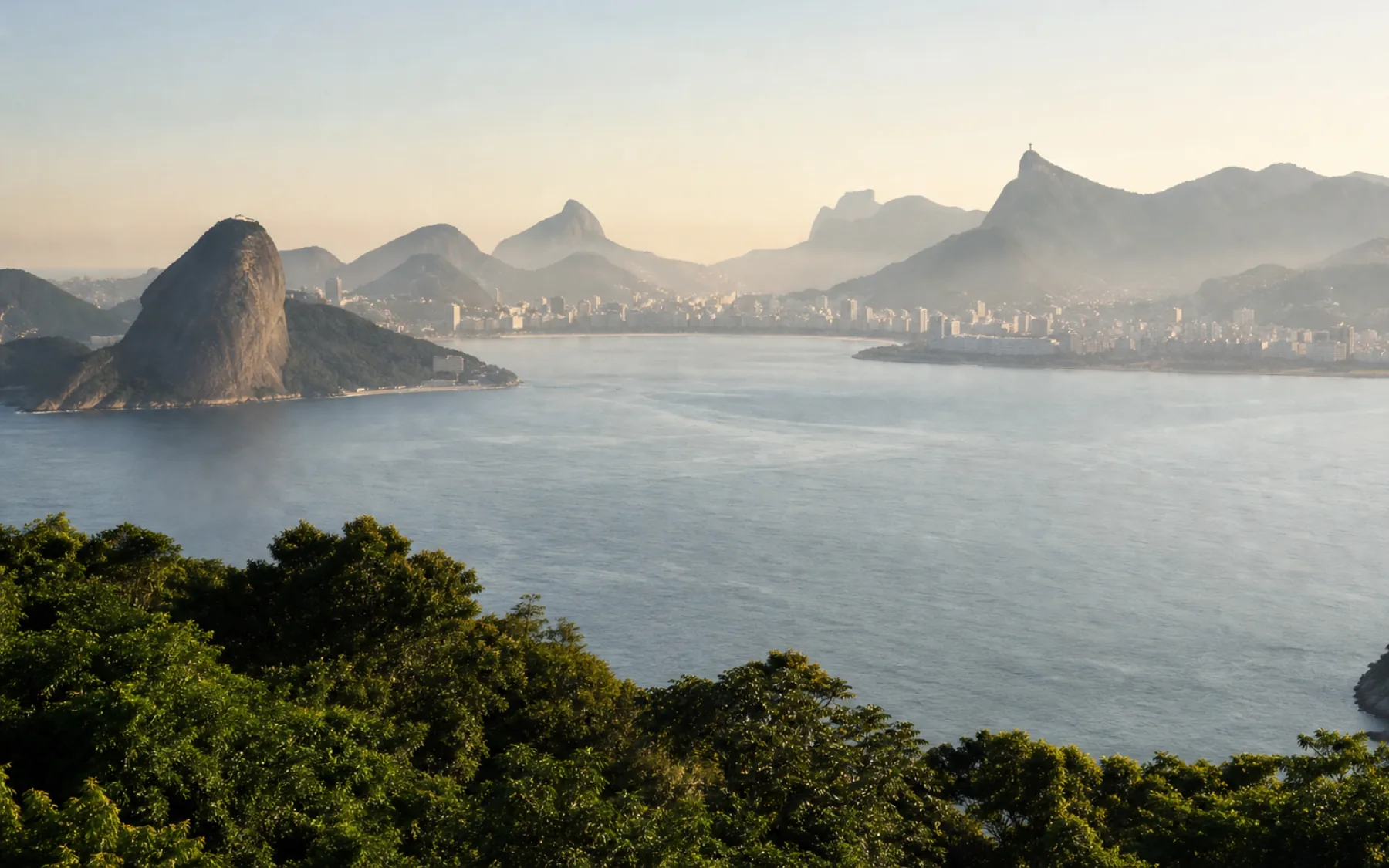
After the Drake and a final call at Stanley, where the award-recognised voyage concluded, we turned north for Rio. The stop was deliberate: take on quality bunkers alongside in Brazil rather than depend on a ship-to-ship transfer off St Helena, where the offshore swell can be significant and the island could supply only 10,000 litres. Good passage planning often looks like an ordinary port call.
21 · St. Helena
Napoleon's rock
St. Helena — a volcanic landfall in the South Atlantic
St Helena tested the quieter side of passage planning: fresh stores. The island’s single provisioning ship was due, but we waited a couple of days for conditions that allowed her to berth safely before we could restock. That delay was precisely why the passage plan carried contingency margin.
22 · Tristan da Cunha
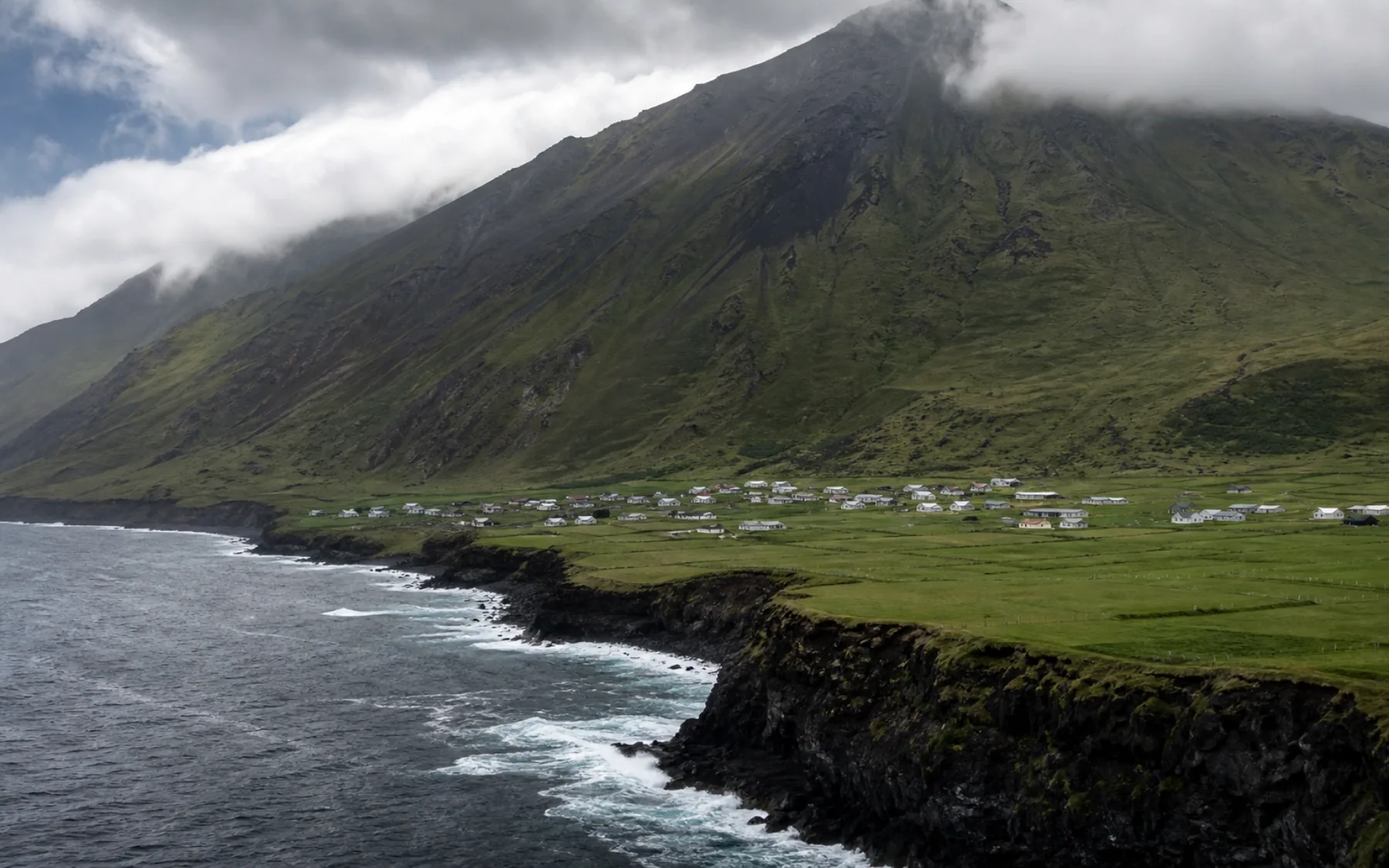
One of the world’s most remote inhabited islands
Tristan da Cunha — no airstrip, only an ocean approach
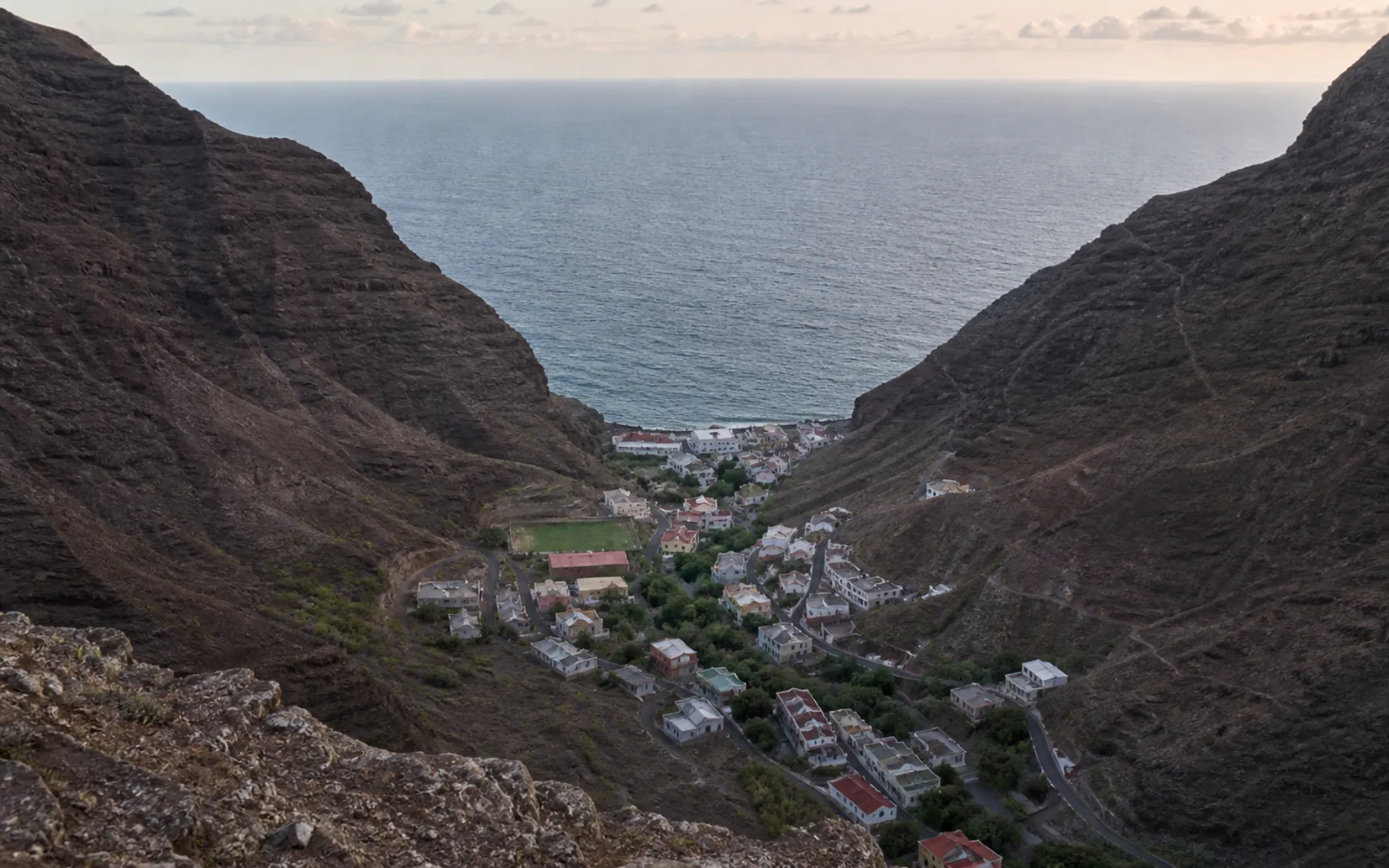
I left at St Helena to vet Cape Town repair yards for the annual yard period, with the overall voyage already planned. Captain Ian then made excellent use of the available weather window, taking the yacht to Tristan da Cunha and nearby islands, including Inaccessible. That part of the voyage was his command, and the credit is his.
23 · Cape Town, South Africa
Landfall under Table Mountain
Cape Town, South Africa
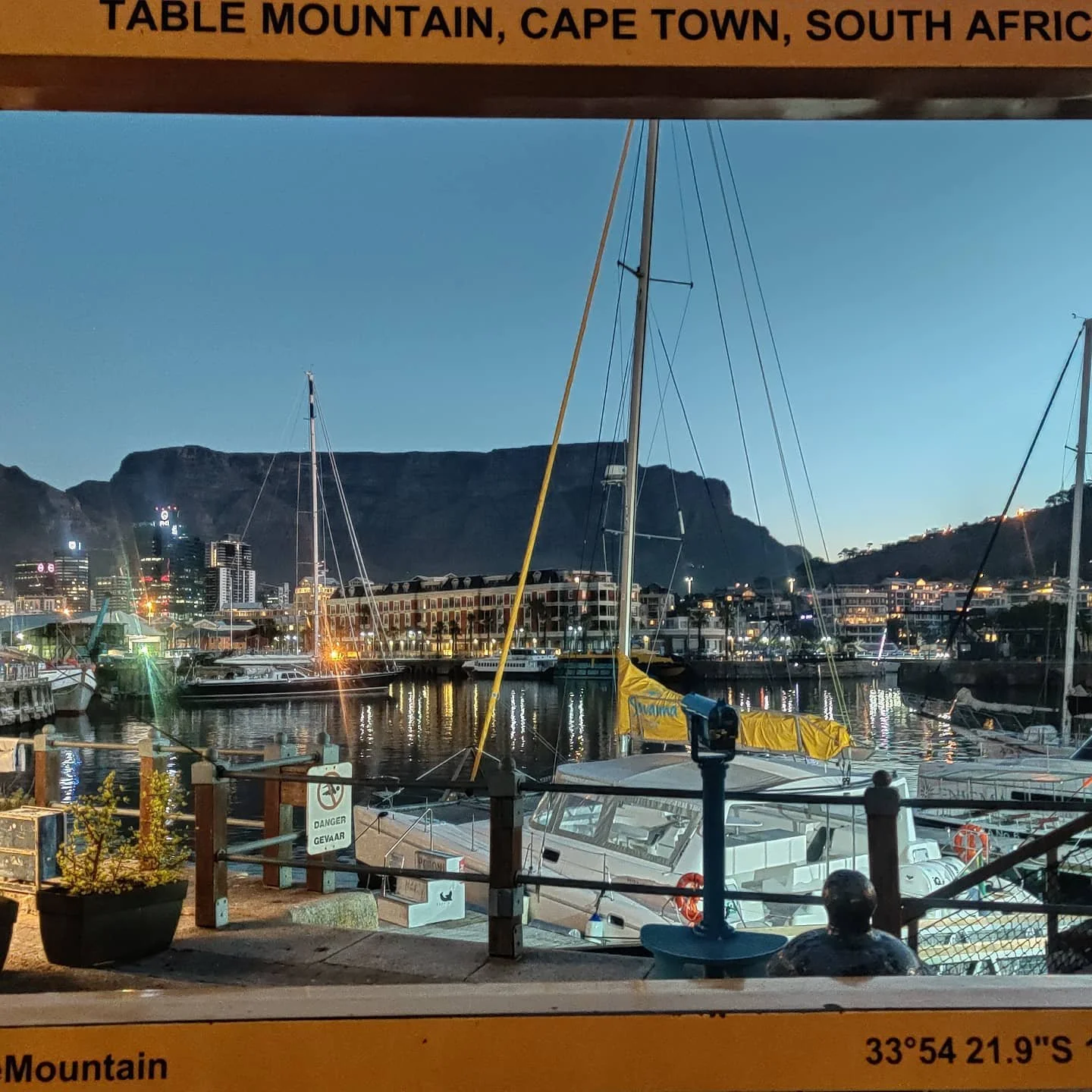
Table Mountain came out of the sea haze as we made our final landfall in Cape Town. Beneath the lights of the V&A, I eased the yacht alongside and the engines fell quiet. From polar ice to South Atlantic islands, every earlier passage seemed to gather in that one arrival. Only then could we look back and see the voyage whole.
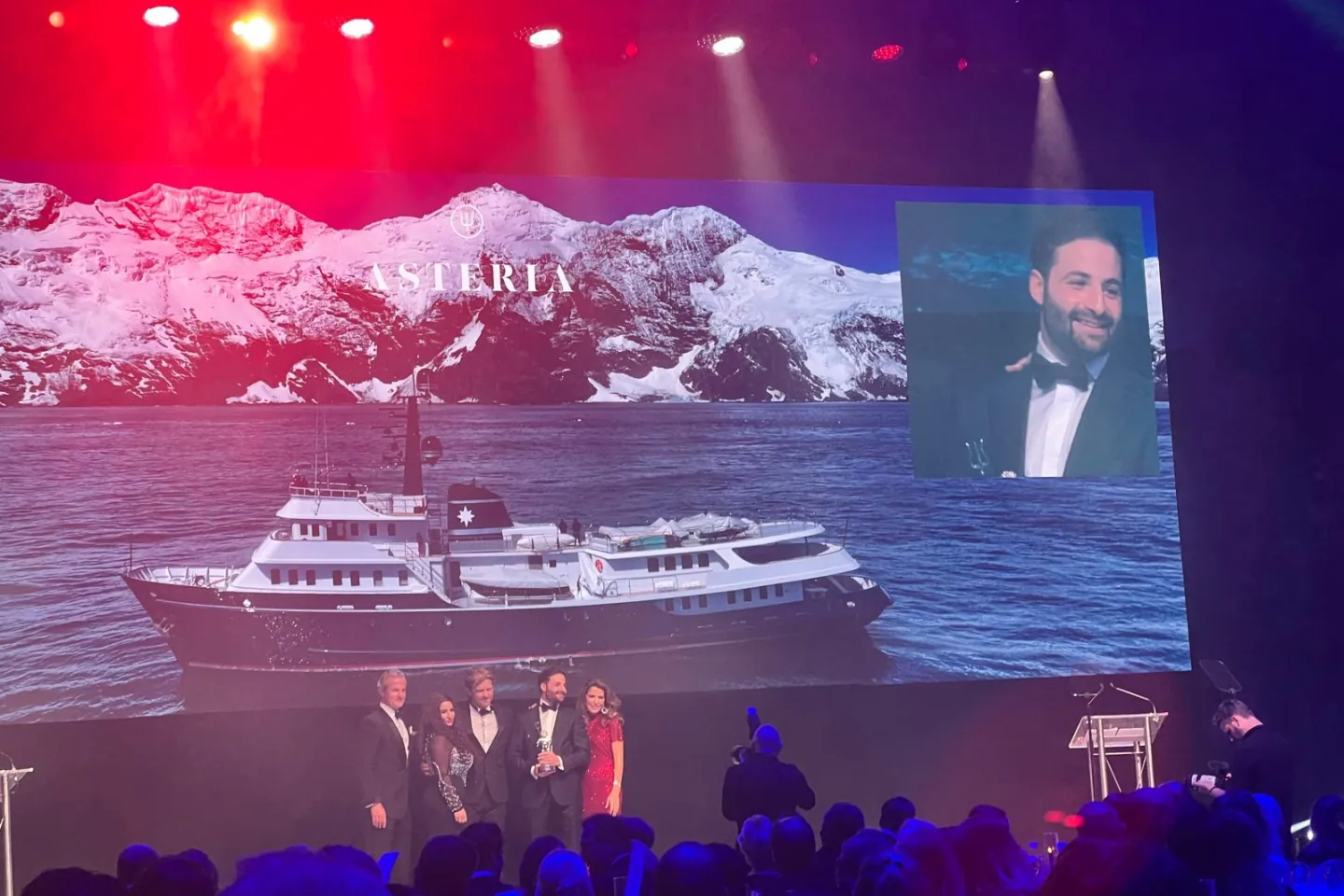
The Honour
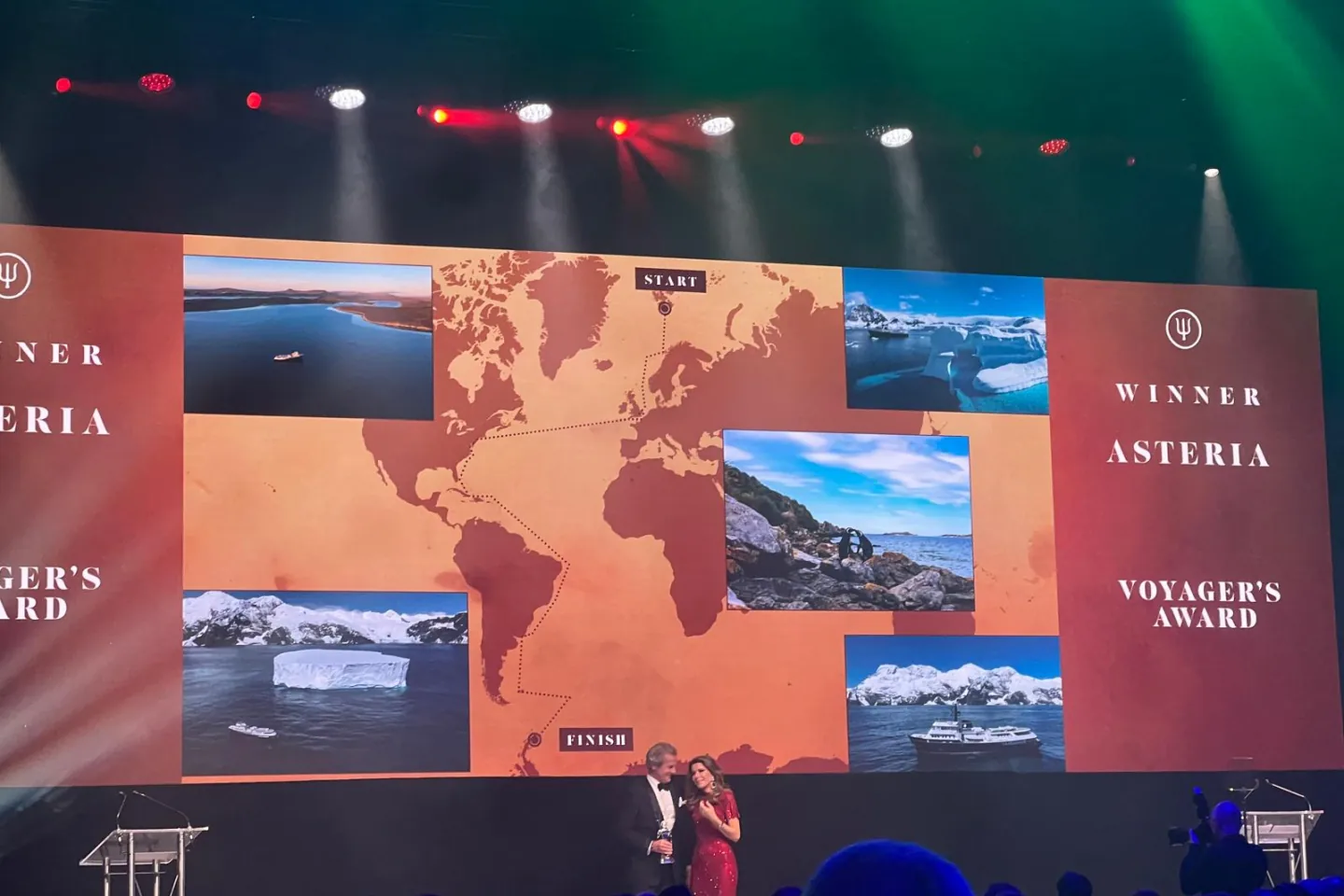
BOAT International Voyager’s Award, 2025
At the 20th World Superyacht Awards in Venice, the vessel was recognised for the season’s most inspiring journey — from Greece through her return to Stanley after the Antarctic leg.
Small emergencies were addressed early and never allowed to become major. The honour belongs to her owner and everyone aboard who delivered it. I had the privilege of serving as Master.
20th World Superyacht Awards, Venice — BOAT International Voyager’s Award, 2025
The Interview
Dive In, with Capt. Sean — Worth Avenue Yachts
Days after the award was announced, I sat down at the Captain’s Table of Worth Avenue Yachts’ live series to tell the story behind the voyage.
For Fellow Explorers
Making a remote ocean passage of your own?
Voyages like this one are why I built Explorers Hub — the pilot book for ocean explorers. Permits, agents, ice intelligence, anchorages and hard-won local knowledge for the places charts alone don’t cover, verified by the captains who actually go there.